Joe and Anna Belle Hartin, Russell and Pearl Hambleton
Shortly after the last great “land rush” of settlers into Oklahoma to claim free government land in 1907, John Robert McPhail purchased a quarter section near Pocasset—section 8 of township 8W-8N. Discouraged by red-dirt farming after a short time, the original claimant was ready to move on and, at that time, no man in his right mind considered there might be rich farmland near Pocasset and certainly not any oil in the Anadarko Basin that lay under it.
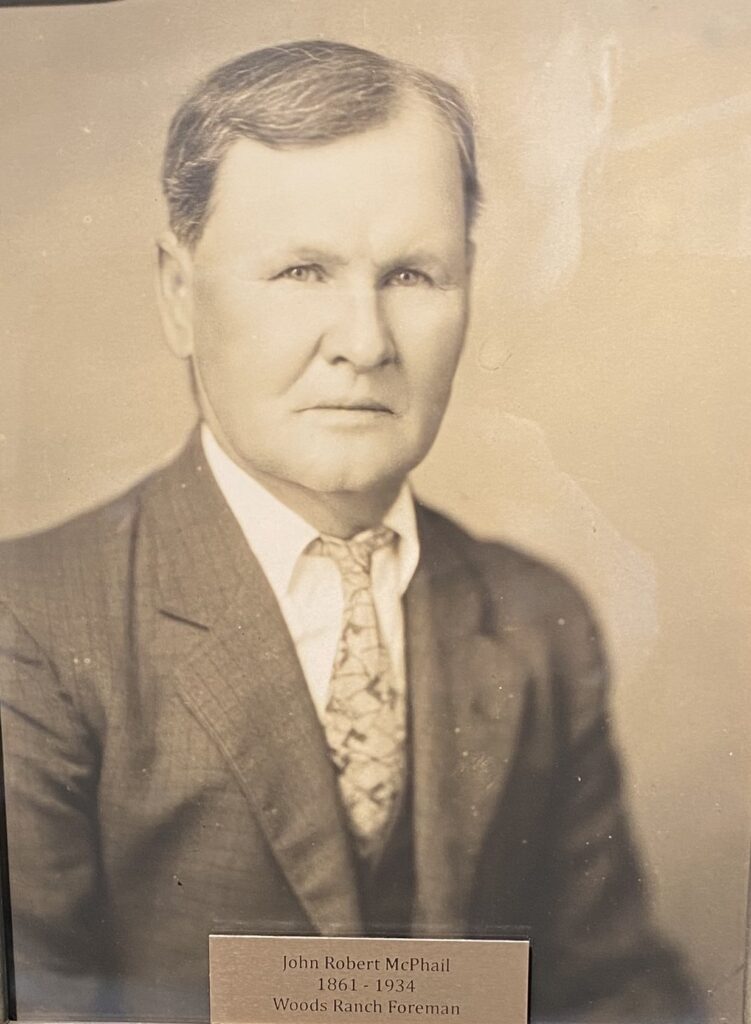
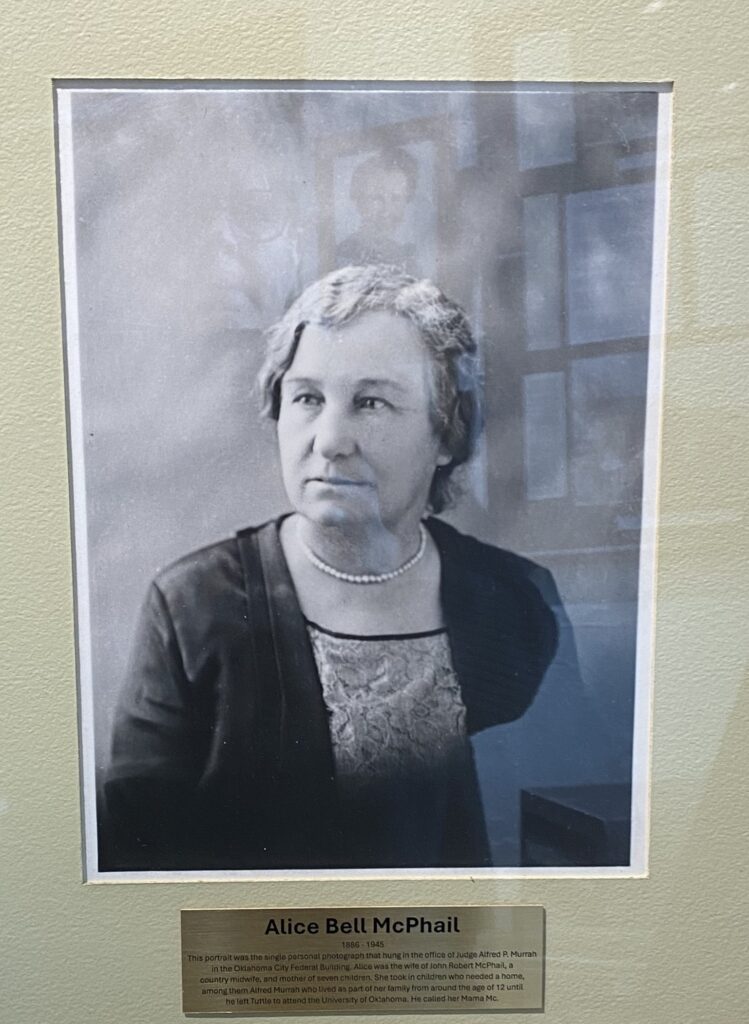
My grandfather, called “Mr. Mc” thought himself lucky to get any land at all since he had lost everything in an ill-fated farming attempt in Texas. His family included Alice Bellzora, his wife, daughters Nora, Anna Belle and Pearl, and son Van. Later, twin babies perished at birth and another son was killed on the farm at age 16 when the horse he was riding dashed under a tree branch causing him to strike his head on a branch and fall to the rocky ground below.
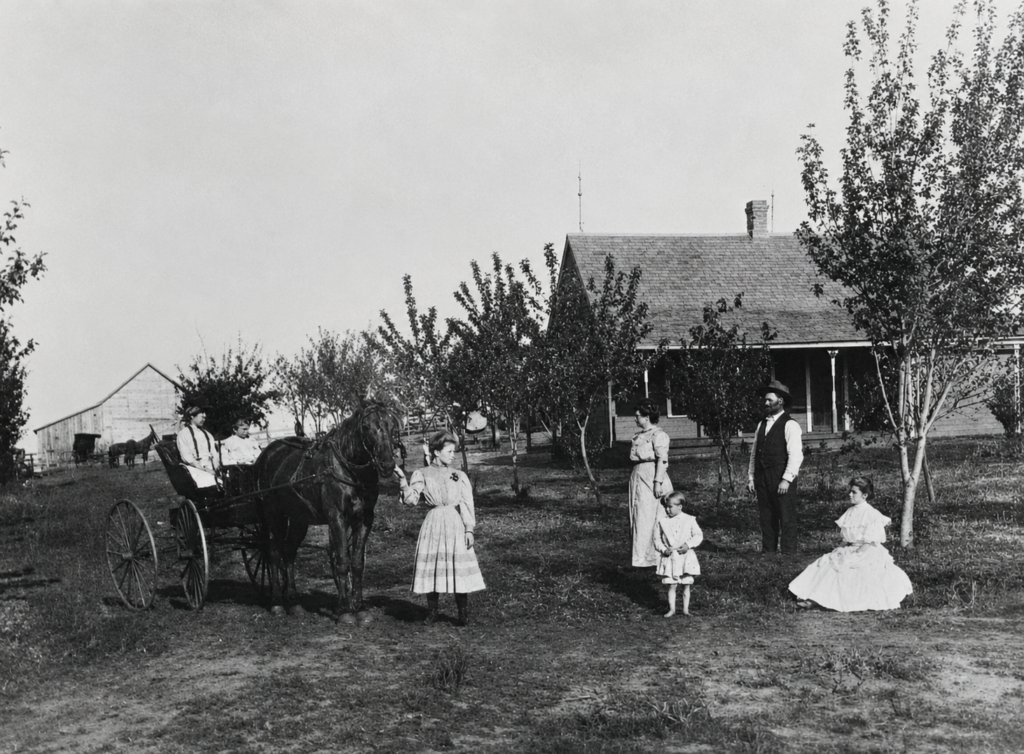
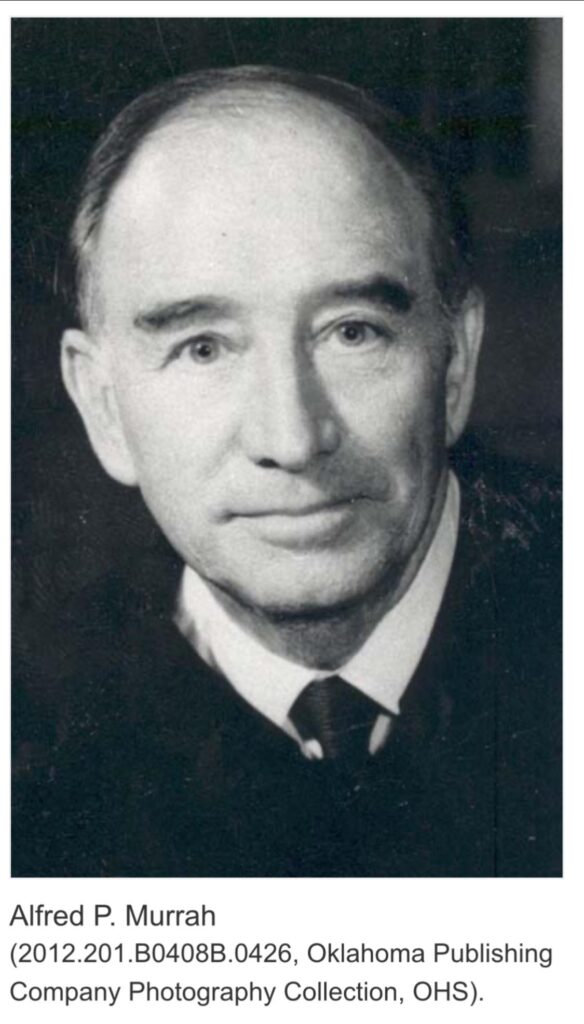
As the years passed, Mr. Mc eked out as much as he could from 8-8-8, but the land was poor with not enough production to sustain his family. He accepted an offer to become foreman of the Woods Ranch that ran along the South Canadian River north of Tuttle (now the signature property of the Braums Dairy). The family, including Alfred Murrah, who at 12 came to live with them after his mother died, relocated to Tuttle. The McPhails held on to ownership of 8-8-8.
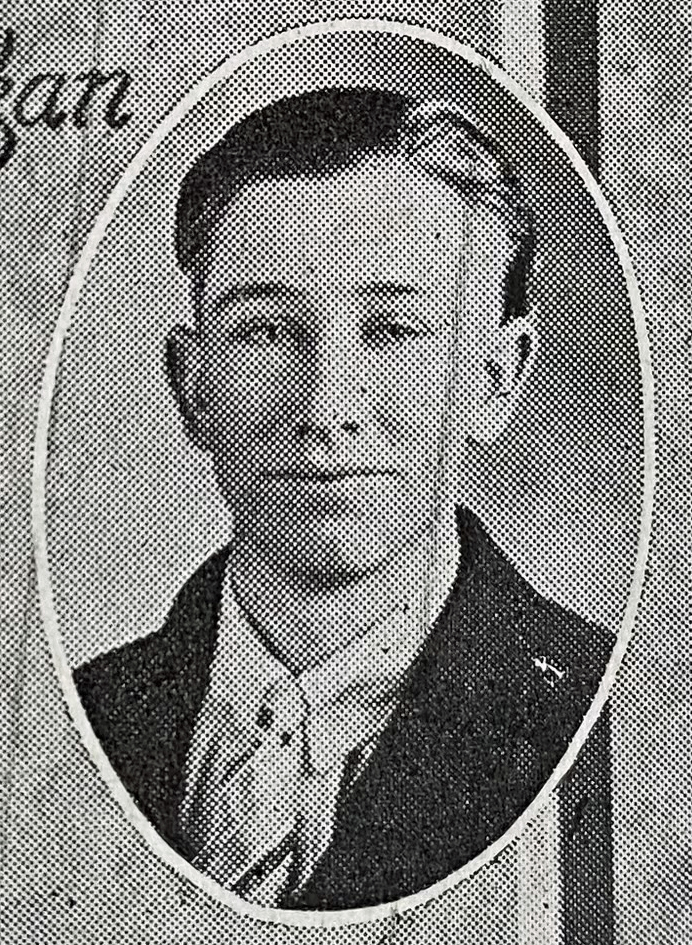
yearbook Photo 1923
Nora, who married at 16, moved to Oklahoma City. Anna Belle and Pearl became Tuttle first- grade teachers, Alfred entered Tuttle high school, and Van moved out on his own to become an oil “Wildcatter.” Van, who made and lost at least two fortunes in oil before he was 50, died shortly after that birthday in a Dallas hospital, broke and broken from illness. Van always believed there was a fortune in oil under 8-8-8 but was never able to drill deep enough there to find the oil.
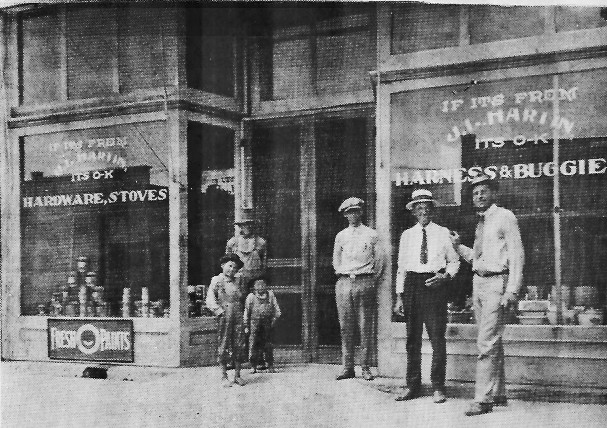
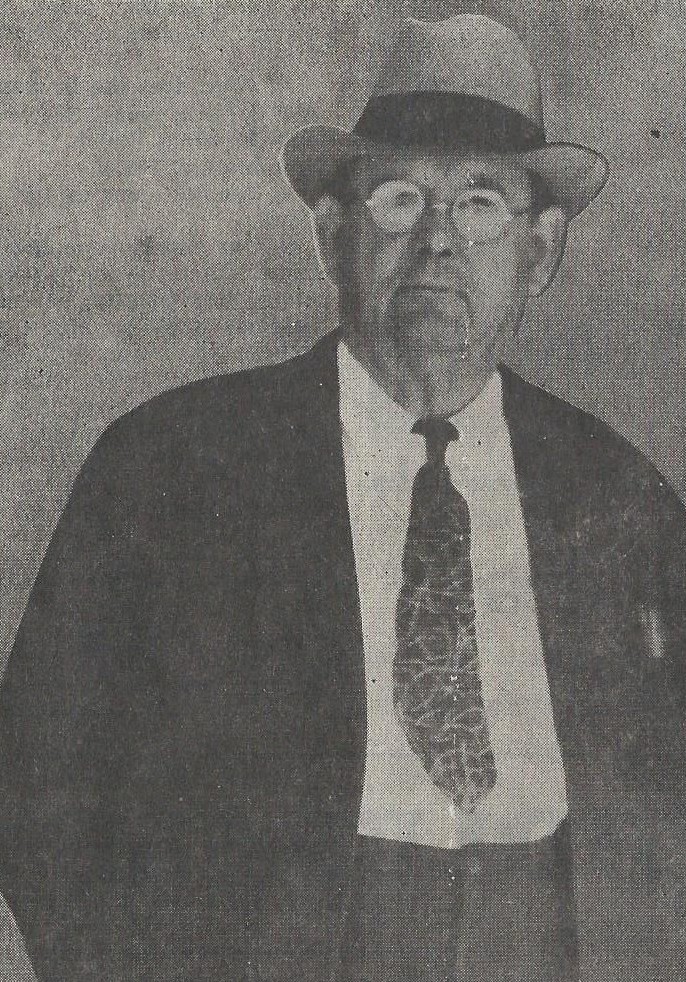
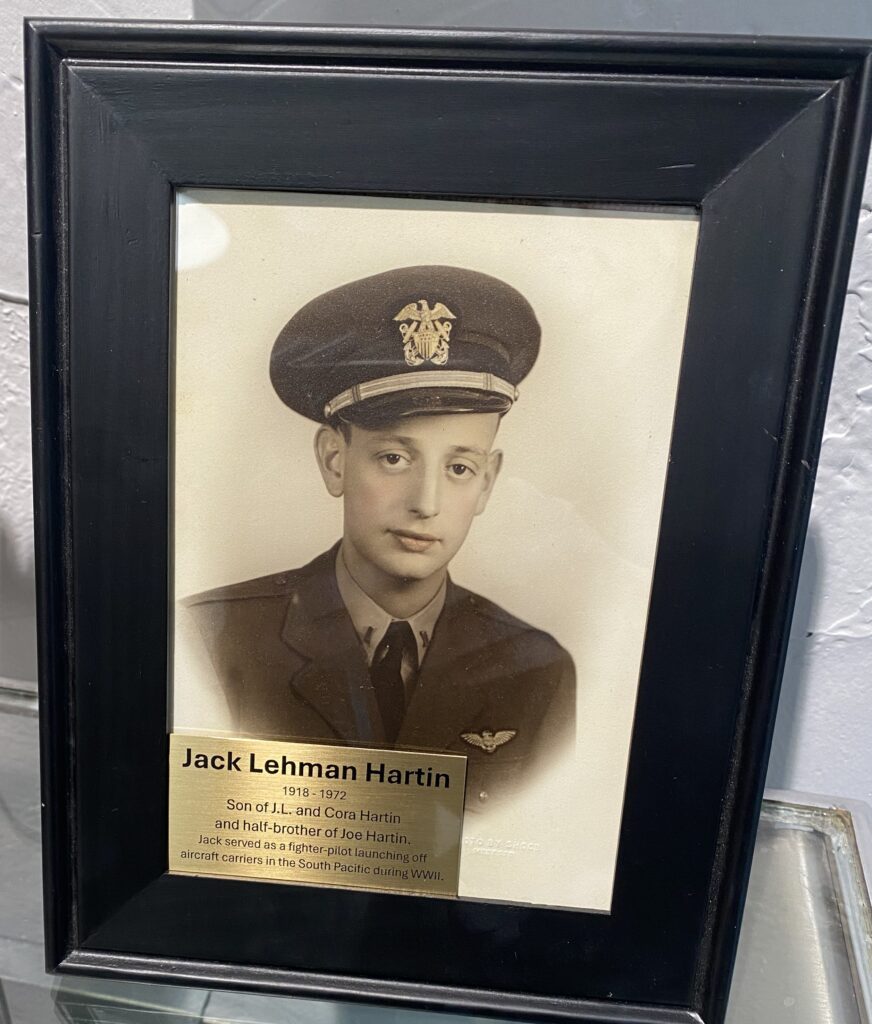
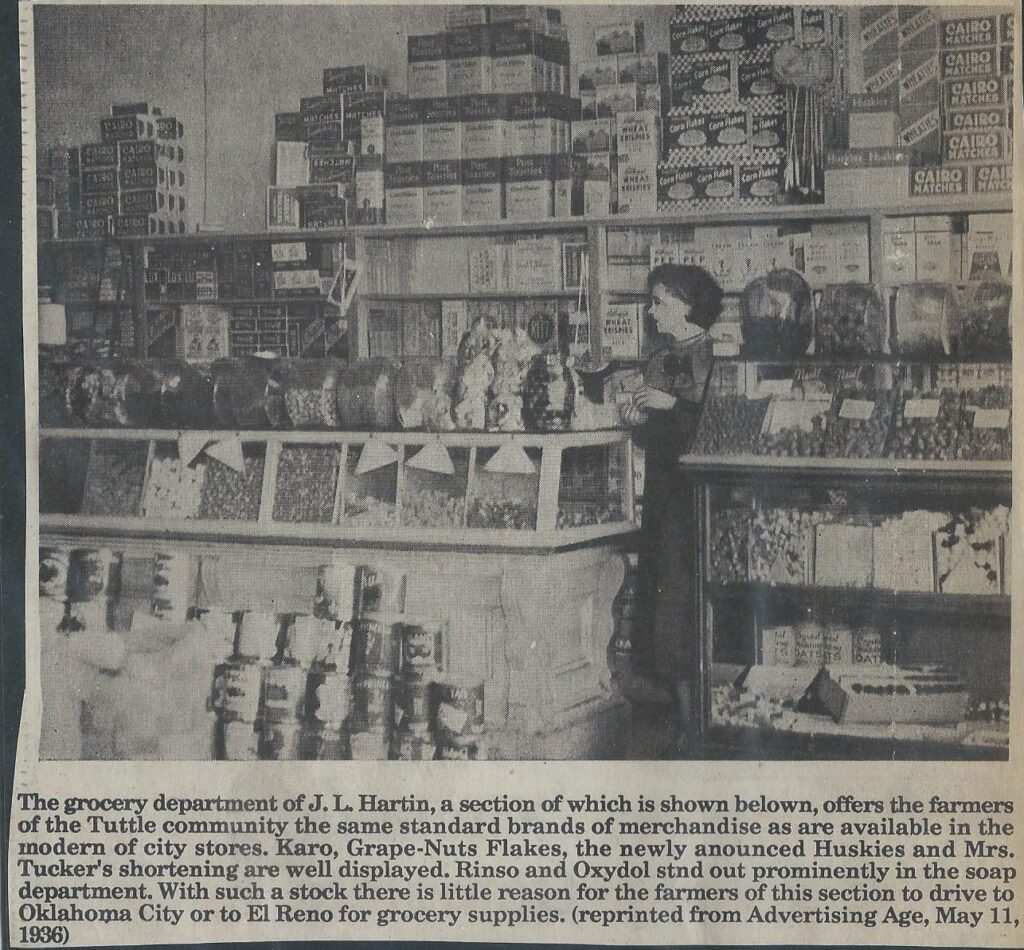
Anna Belle and Pearl married stepbrothers Joe Hartin and Russell Hambleton who worked for Joe’s father Joseph Leonard Hartin in the Tuttle grocery, dry goods, feed and seed general store. J. L., as he was called, was a widower who had relocated to Tuttle around 1903 from near Waco, Texas with his toddler son Joseph Althair (the name of a distant star). When Joe was 17, J. L. married Cora Hambleton, a widow with three sons—Clarence (who founded Great American Insurance that was later sold to J. C. Penney), Bruce, Russell and a daughter, Augusta, who died at age 18. Then along came Jack, he was the only child of J. L. and Cora.
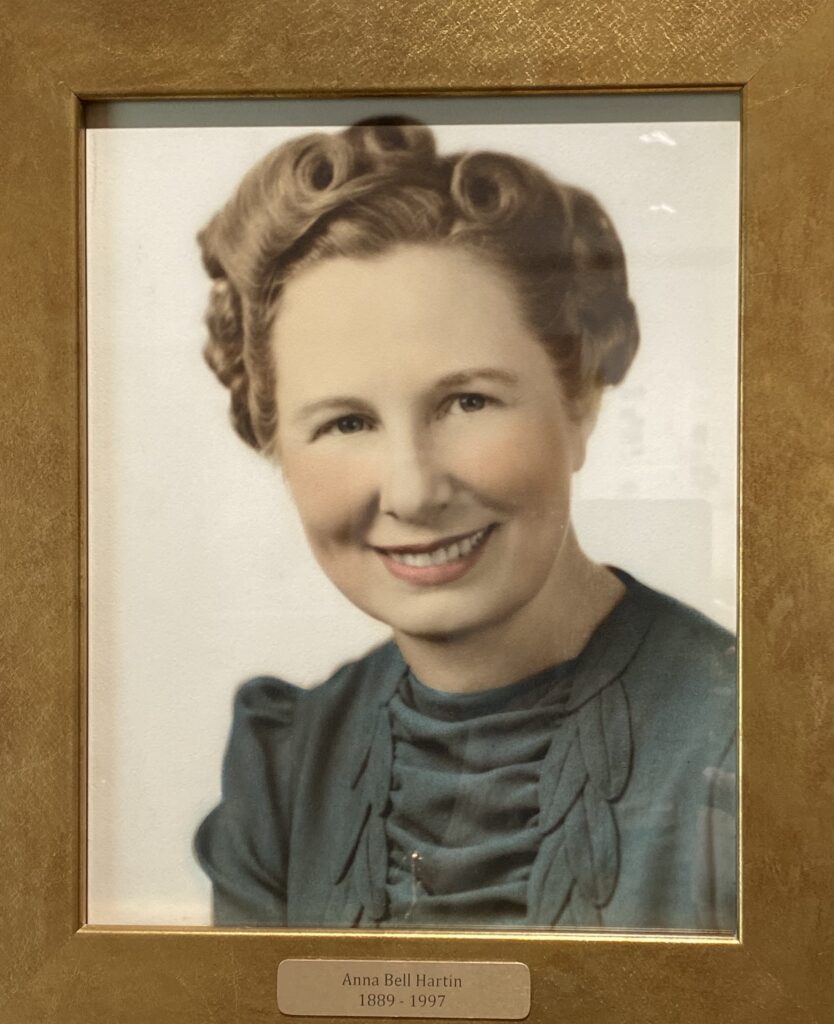
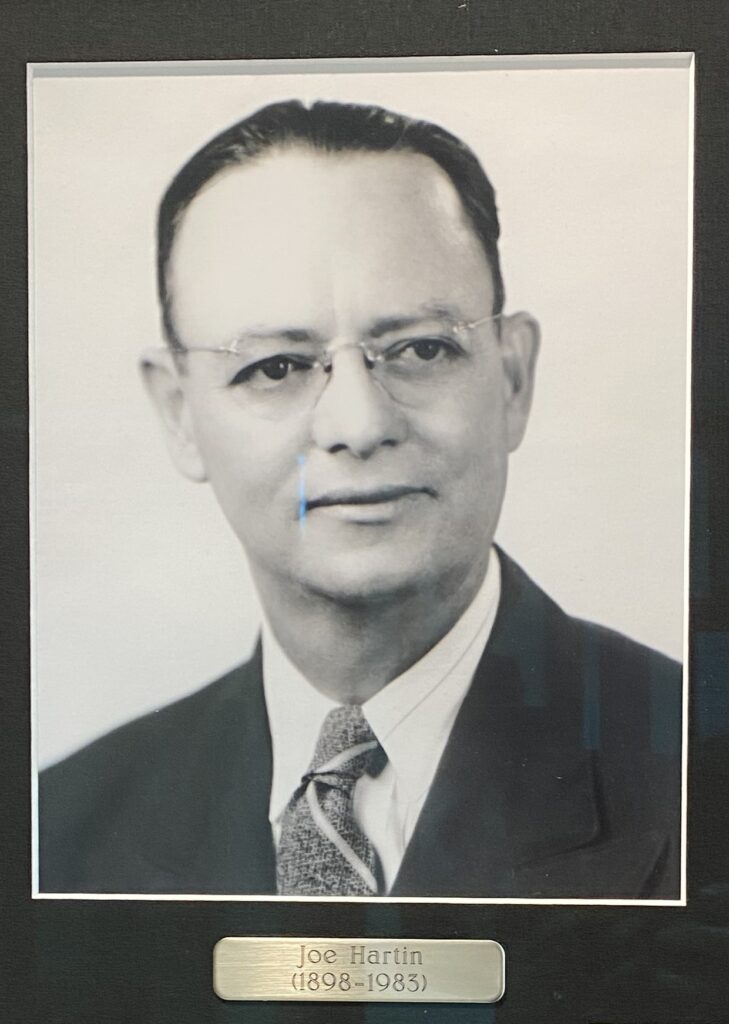
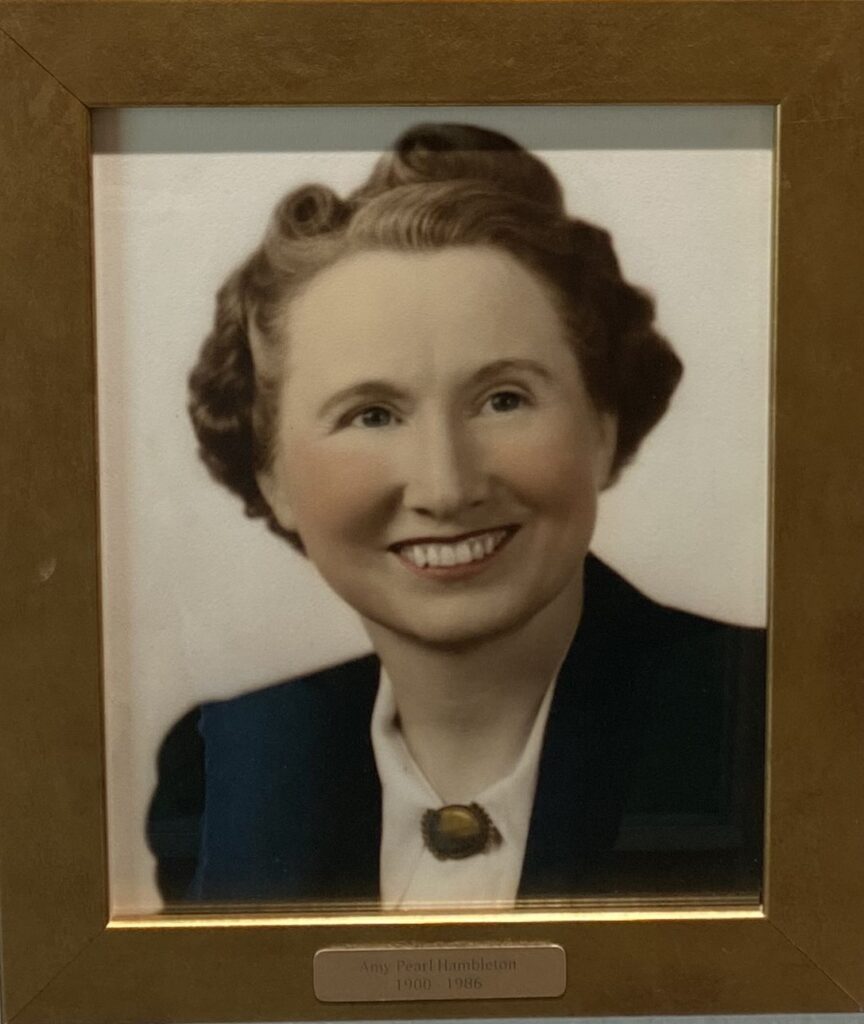
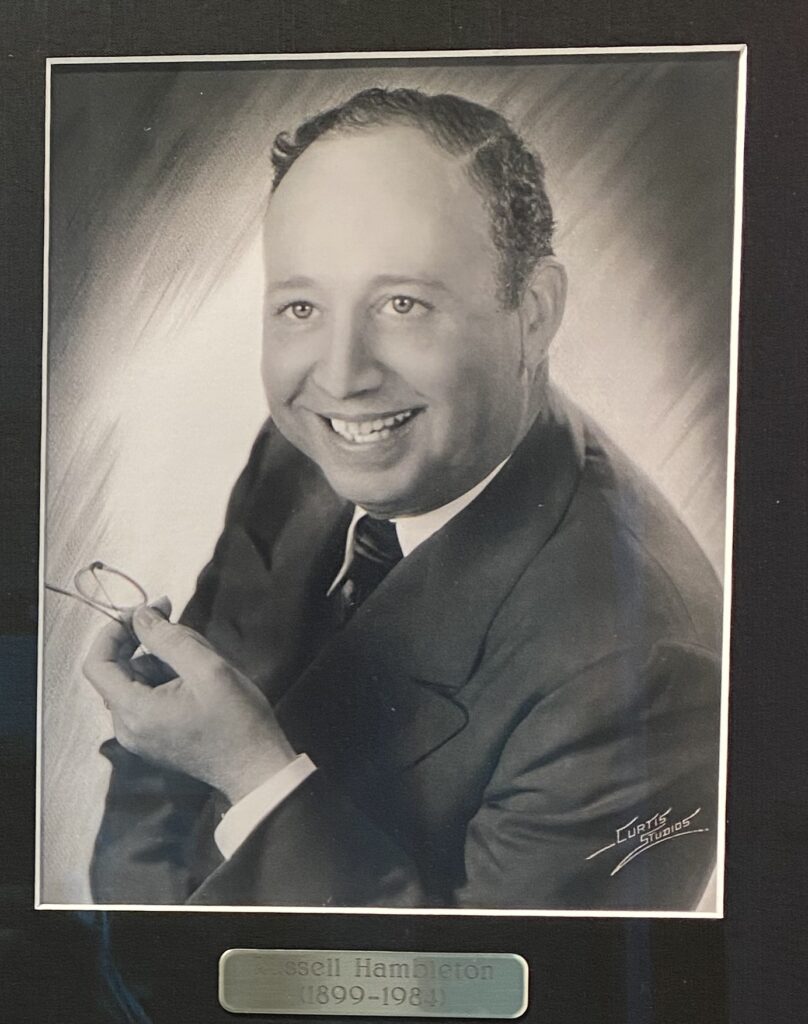
Often called Hartin’s, the Tuttle Traders business plan was “We buy what you have to sell and sell what you need to buy.” It was in the days before credit cards; J.L. and later Joe allowed no-interest, no-limit charge accounts at the store. When need be, farmers paid fully with their yearly harvest income. In the 1930s this policy helped keep individual farmers solvent and undergirded the economic survival of the store and the community.
After J. L.’s death in 1949, Jack who had been a Navy fighter pilot in the South Pacific during WWII did not return to college, but became a pharmaceutical sales representative and relocated to Dallas, Denver and finally Chicago. Bruce took over as owner of the Tuttle hardware store established by J. L. Alfred graduated from the University of Oklahoma law school, was appointed federal district judge, and ended his career as Chief Justice of the federal 10th Circuit Court of Appeals. The Alfred P. Murrah Federal Building in Oklahoma City, which was destroyed by a bomb in 1995, was named for him.
Joe and Russ remained at Tuttle Traders. Both Anna Belle and Pearl worked in the store until Pearl’s declining health forced her to quit. The four entered what they called a “gentlemen’s agreement” to share and share alike all income they earned together, and they held to the no-interest, no-time limit credit policy.
The store expanded, stocking Stetson hats, Levi jeans, fabric for women’s clothes, school supplies, boots and shoes for men, women and children. A cinder block building was added behind the store to house more feed and seed. Refrigerated cases were installed for meat and dairy. A large truck was purchased for direct delivery of goods from Oklahoma City and the small pick-up truck with its iconic Tuttle Traders logo continued to deliver groceries around town and now rests peacefully at home just outside town.
To prepare for retirement, Joe (who at this time had daughters, Anne and Sharon) and Russ began to purchase farms intended to supplement their retirement when they were no longer small business owners. In the early 1950s, while the rest of the United States prospered, Tuttle declined partly because of drought, low farm income and loss of rural population. There was no oil or gas production around Tuttle, even though Oklahoma had become one of the nation’s largest oil and gas producing states.
Tuttle Traders was sold in 1961 and the four partners entered retirement. About this time, the Hartin/Hambleton accountant advised to split ownership of the land and mineral interests for income tax purposes, and this was legally executed. Nevertheless, the four held to their “gentlemen’s agreement” to informally divide any profit equally.
The 8-8-8 farm had been inherited by Anna Belle and Pearl because, after their father died, they nursed their mother through ill health by moving her between homes for years, each taking a six-month turn of caring for her. Alice died in 1945.
In 1979 an oil and gas well was brought in on 8-8-8 near Pocasset in Westen Grady County. Substantial oil and gas production came to Northern Grady County in the 1990s. Joe and Russ did not live to see it. The remaining family—mother, Anne and I—decided to hold to the gentlemen’s agreement and share with Aunt Pearl. At that time, we had already begun to have round-the-clock, in-home nursing care for her. About a year before she died, Aunt Pearl willed everything, except a few bequests, to Anne and me equally. At the death of my mother in 1997, Ann and I inherited her estate equally and we ended the gentlemen’s agreement.
Large scale farming, horizontal drilling and Oklahoma City suburban expansion brought rapid growth to Tuttle in the 2000s. My Hambleton-Hartin inheritance included a pasture that my sons later sold in part for a water treatment plant and gave in part to the city of Tuttle for a park. Anne and I continue to hold closely our remaining land. Anne now lives in Oklahoma City and I live in Dallas. We both remain close to our Tuttle friends, but no Hartin or Hambleton family live in Tuttle anymore.
Written in 2026 by Sharon Hartin Iorio – Daughter of Anna Belle and Joe
Reference:
Photo of young Alfred P. Murrah from 1923 Grady County yearbook, Newspaper Clippings from Tuttle Times Newspaper, All other photos from Sharon Hartin Iorio.
An informative glimpse into Tuttle history. The Hartin grocery served the community & its people for many years. It is important to keep future generations aware of the early beginnings & those who made it happen. A tip of the hat 🎩 to The Tuttle Historical Society.
Thank you so much for your kind words and encouragement! We truly appreciate your support of the Tuttle Historical Society and hope these stories continue to inspire future generations. 🎩❤️