In the closing years of the nineteenth century, when Oklahoma was still Indian Territory and much of what would become Grady County was open prairie, a family named Schrock arrived and quietly became part of the foundation upon which the town of Tuttle would grow.
At the center of that story were Frances Schrock and her husband, Lannes Lee “Harry” Schrock.
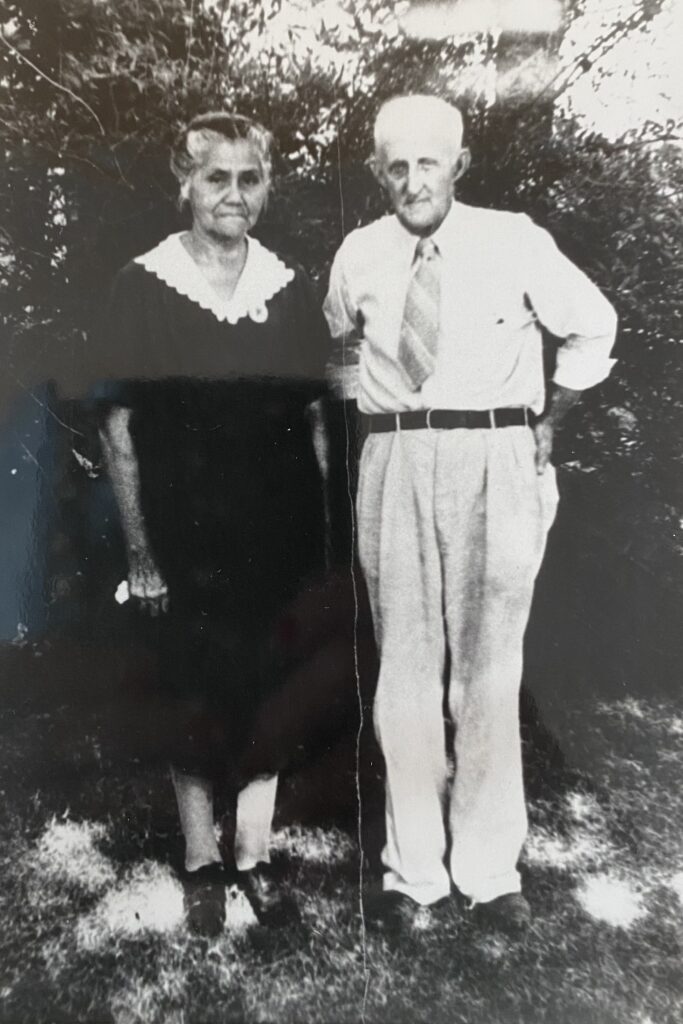
Frances Schrock and the Railroad That Changed Everything
Frances Schrock was born on December 17, 1878, in Atoka, Indian Territory. As a tribal allottee, she owned land in the area where Tuttle would later emerge. That ownership placed her at the center of one of the most important developments in the town’s history. [findagrave.com], [okhistory.org]
Frances’s husband, Lannes Lee “Harry” Schrock, was born in Columbus, Ohio, on July 7, 1871. The son of Methodist minister Homer Schrock and Marcella Getzndanner, Harry experienced hardship early in life when his mother died when he was only six years old.
In December 1889, during the days of Indian Territory, Harry married Frances Williams. Together they built a life near Silver City and became among the area’s early pioneer families. The Schrocks later lived in what longtime Tuttle residents remembered as the home that would become the Cecil residence.
Harry was known throughout the region as a friendly, community-minded man who “made friends wherever he went.” His life reflected the values of many frontier settlers: hard work, family loyalty, and community service.
He and Frances raised a remarkably large family of seven sons.
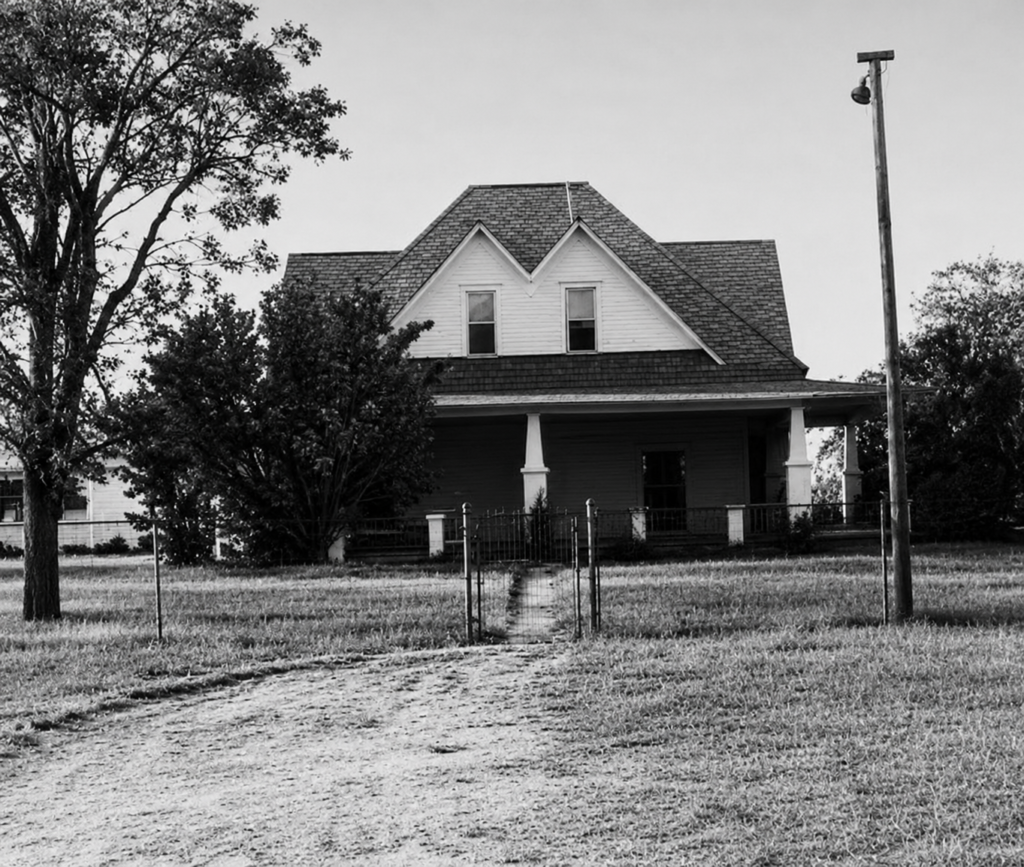
Like many early settlers, they built their home, established a farm, south of Silver City next to what is now Hwy 37 west of Tuttle “the home had an inside bathroom which was a novelty in the turn-of -the-century Tuttle. The Home is still standing today.” They became active members of the growing community, where hard work, agriculture, and a deep commitment to their neighbors became the foundation of a legacy that continues to shape Tuttle today.³
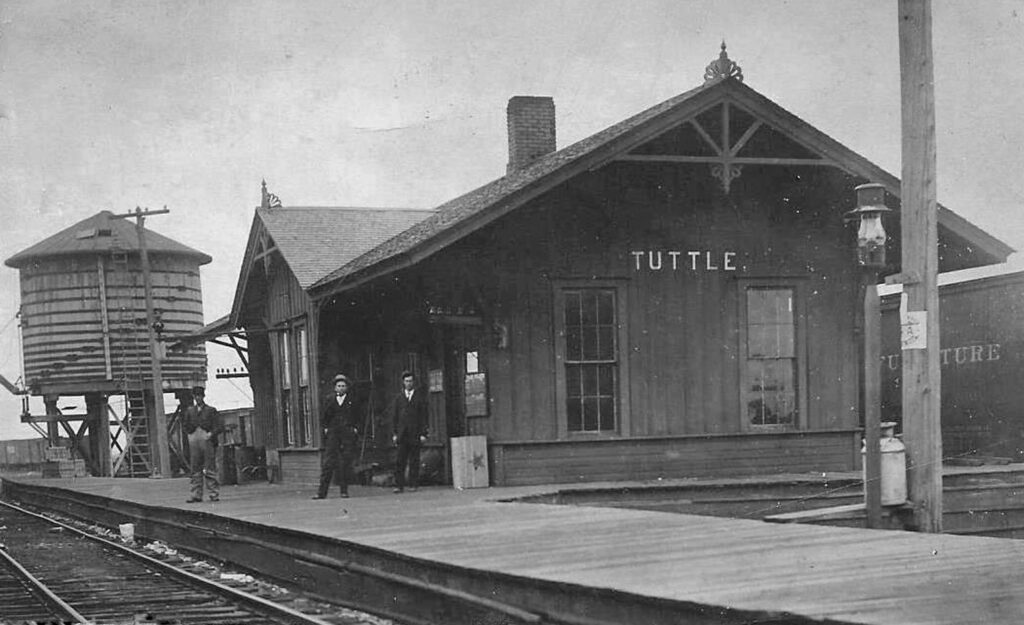
As Tuttle emerged as a new town in 1901–1902, Frances Williams Schrock made one of the most significant contributions in the community’s history. She granted the St. Louis and San Francisco (Frisco) Railroad a right-of-way across her allotment, allowing the railroad to pass through what would become Tuttle. The arrival of the railroad attracted businesses, settlers, and commerce, establishing the town as an important agricultural and commercial center in Grady County. Local historical accounts also credit Frances with providing the site for Tuttle’s first grain elevator, further supporting the town’s early development.³ ⁵
The Ferry Across the South Canadian
Life on the frontier demanded determination and ingenuity. Before a permanent bridge crossed the South Canadian River, the Schrock family established Schrock’s Ferry Boat Crossing during the early 1920s. This ferry was one of many Farmers, merchants, schoolchildren, and travelers depended upon to ferry to cross the river safely, making it an essential transportation link between communities for many years.⁴.
The Schrock Brothers
As the town grew from a railroad settlement into an established community, members of the Schrock family remained active participants in its civic and social life.
Frances and her husband, Harry Schrock, raised seven sons on their farm: Arthur Lee, Harry E., Barron (B.C.), Earl S. (“Pete”), Foster, Homer A. (“Dutch”), and Lannes W. Each attended Tuttle Public Schools, where they became known not only as students but also as athletes and respected young men. Their lives reflected the values of family, education, faith, military service, and community involvement that defined early Oklahoma.⁴
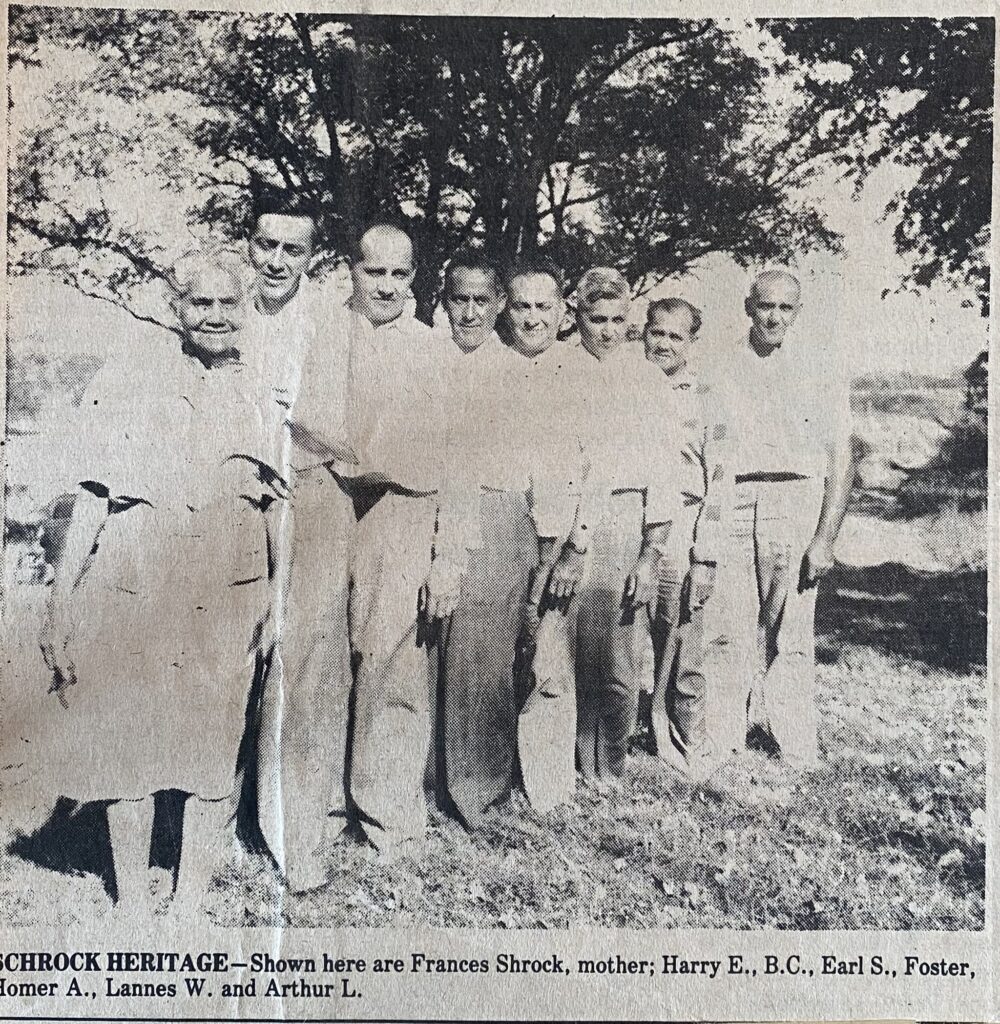
In 1921, Arthur and several other Tuttle Students organize and play on Tuttle High School’s first football team, his brothers Lannes and Homer “Dutch” were part of that first team helped establishing a tradition of Tiger athletics that continues more than a century later.⁴ After graduating from Central State College in Edmond, Arthur began teaching in Marlow in 1927, where he spent much of his career educating young Oklahomans. He also served in the United States Navy and later, with his wife Emily, owned and operated the popular Al & Em Golf Course, eventually passing the business to their son, Bud.⁴
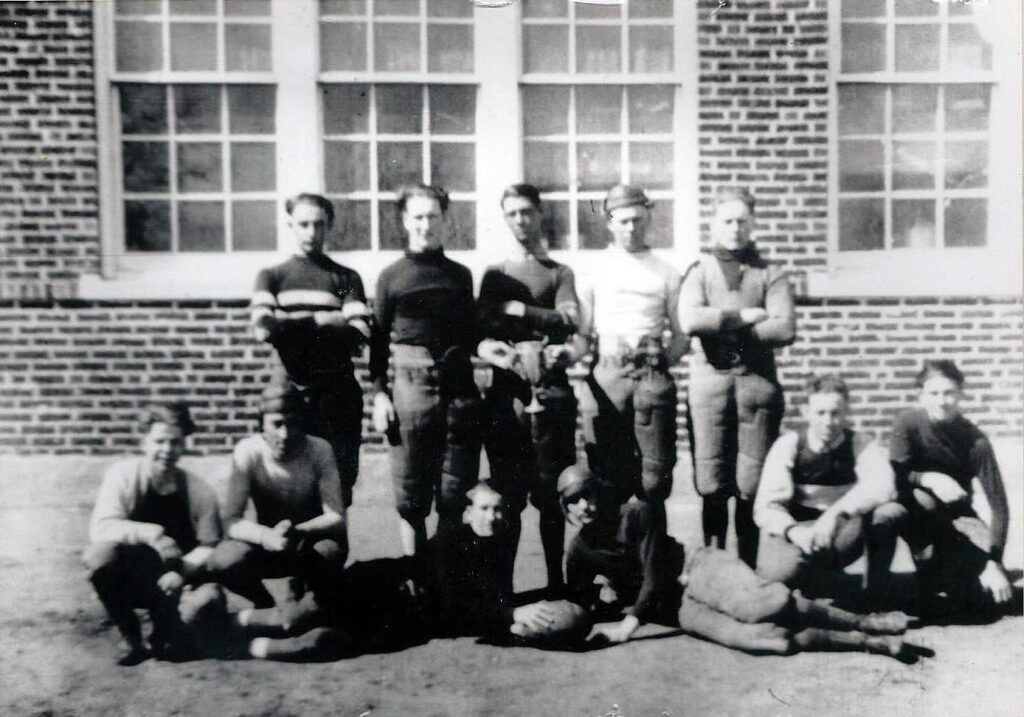
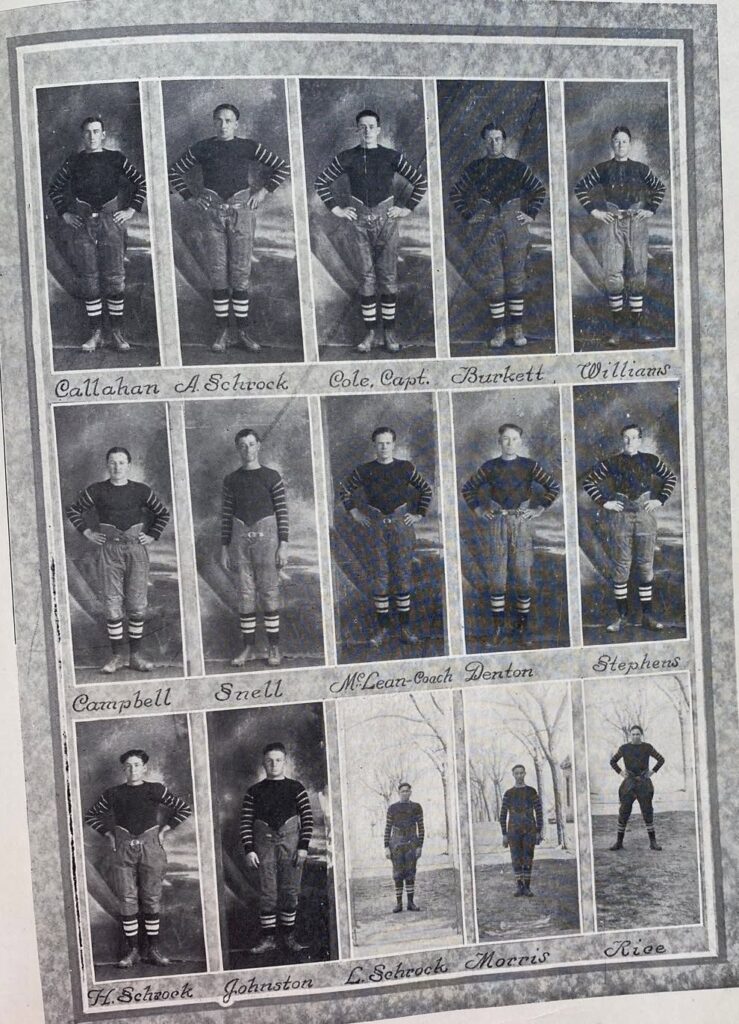
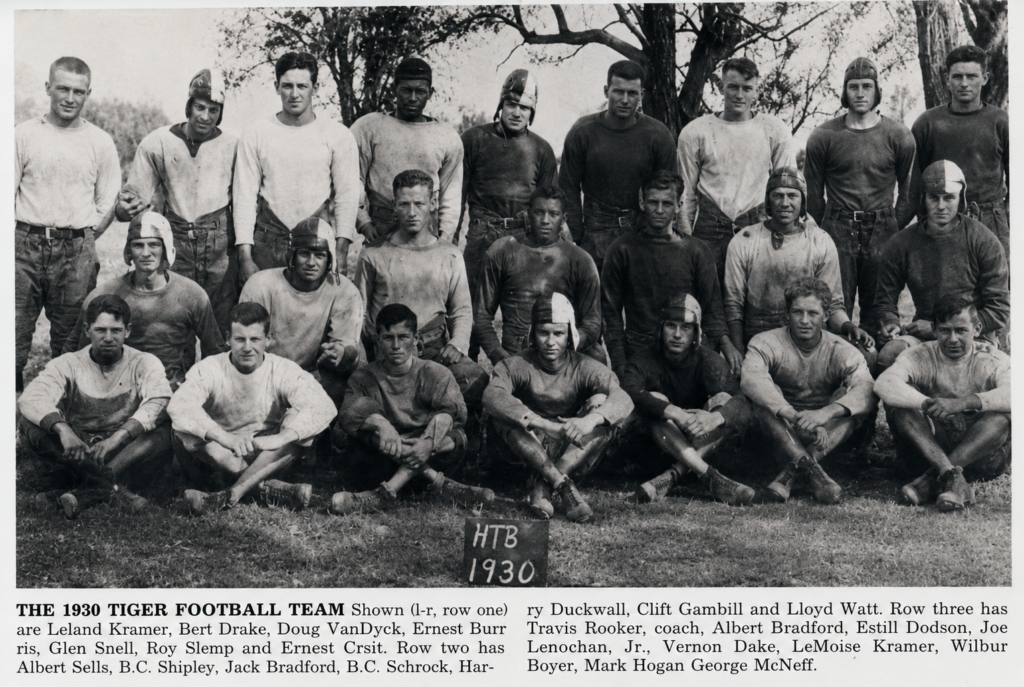
The Schrock brothers each followed different paths while continuing to serve their communities. Foster Schrock (1907-2001) served in the United States Navy during World War II and the Korean War. Earl S. “Pete” Schrock (1909-1975) worked as an accountant at Tinker Air Force Base for twenty-five years and remained active in First Baptist Church of Tuttle. Homer A. “Dutch” Schrock (1905-1988) dedicated decades to public service with the federal government and the Oklahoma Department of Transportation before retiring to Stillwater. Lannes W. Schrock (1903-1980) spent most of his life ranching in the Tuttle area while also working at the family-owned Al & Em Golf Course. Barron Schrock (1914-1986) a bureau administrative officer. Together, the Schrock brothers exemplified a lifetime of service to their families, churches, schools, and communities.⁴
A Lasting Gift to Tuttle
Perhaps the family’s most enduring contribution came through Arthur Lee Schrock, one of Harry and Frances’s sons.
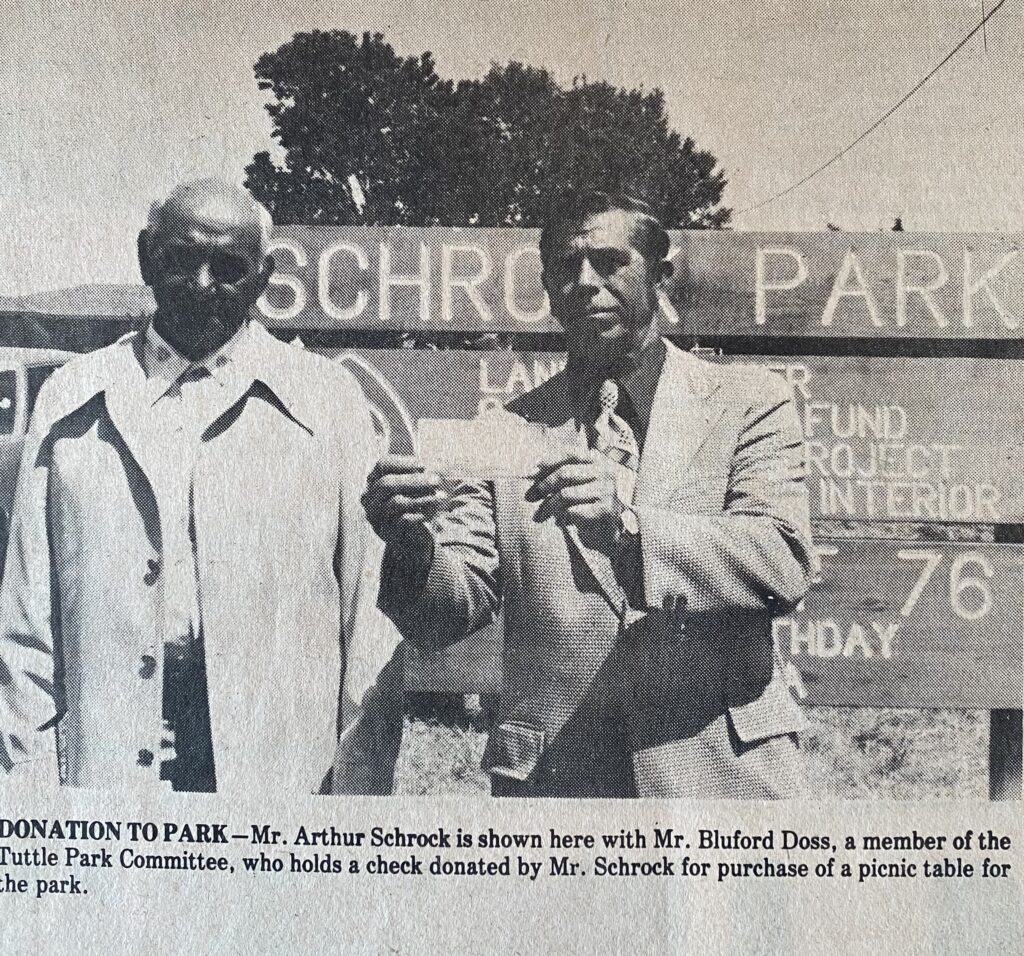
In 1976, the Town of Tuttle purchased approximately forty acres from Arthur Schrock—the land that would become today’s Schrock Park.
According to local accounts, Arthur sold the property for a modest amount because he believed the community’s future was more important than maximizing personal profit. His decision made it possible for Tuttle to establish a public park that would serve generations of local families.
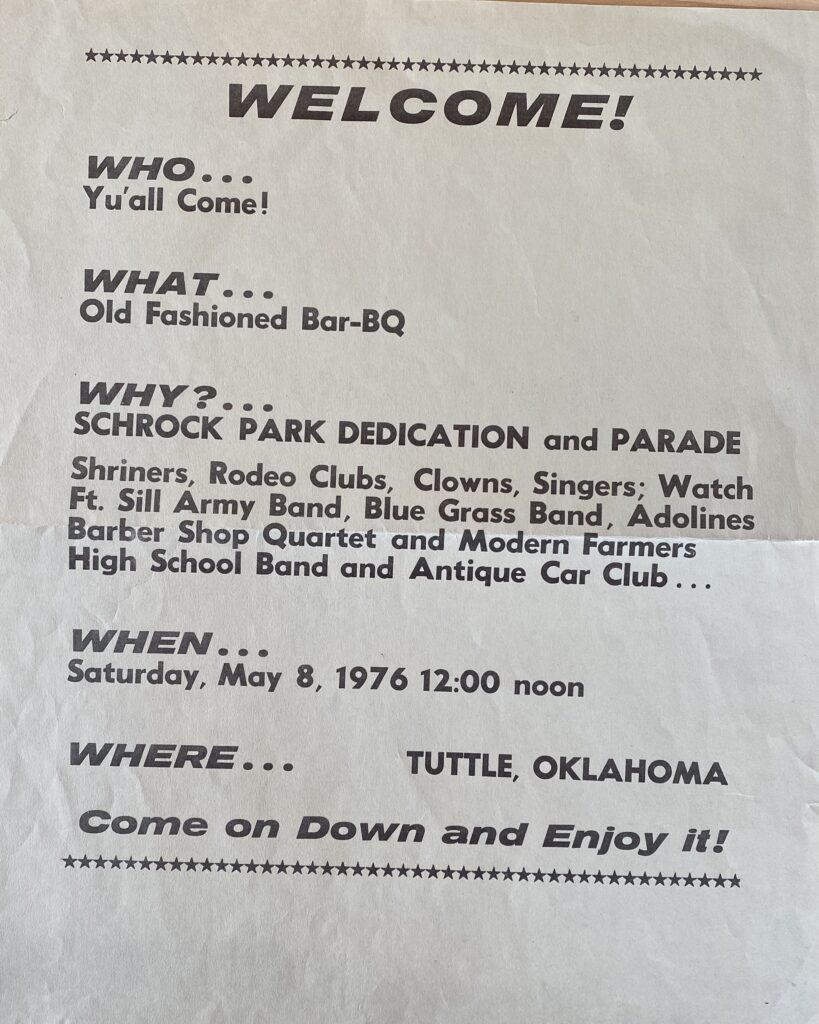
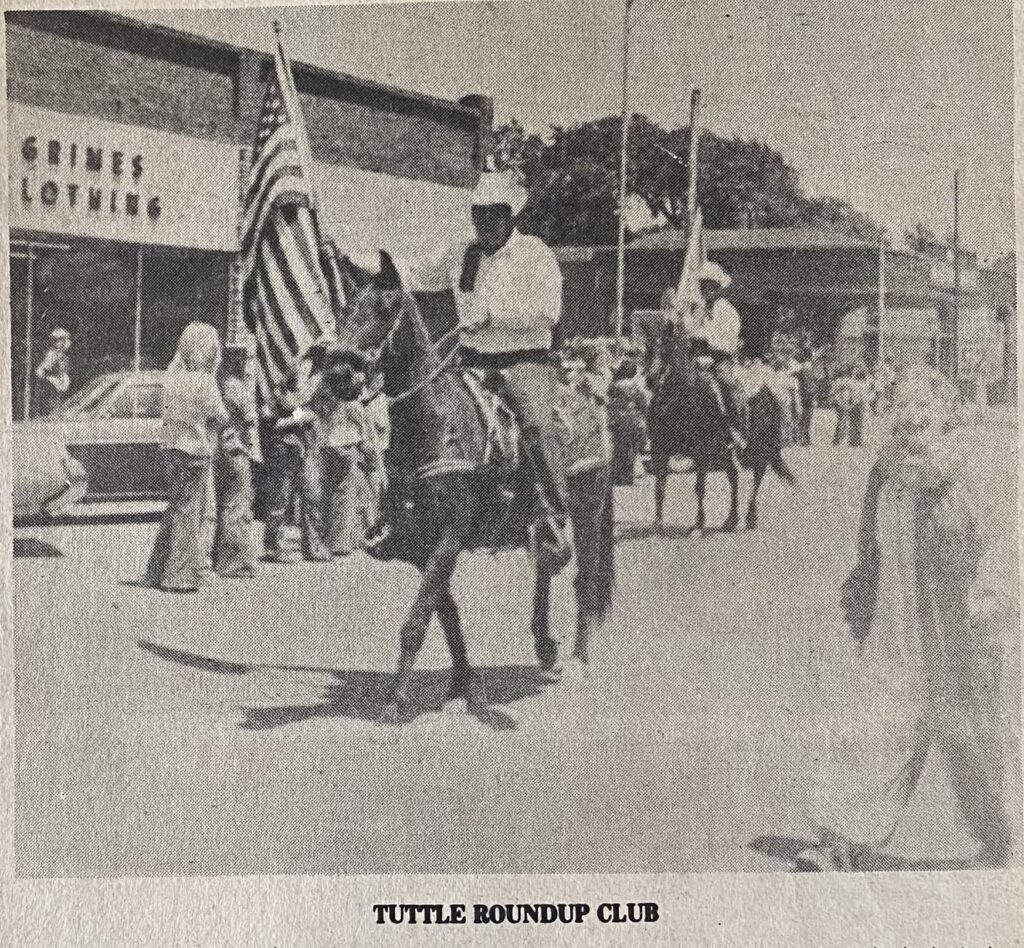
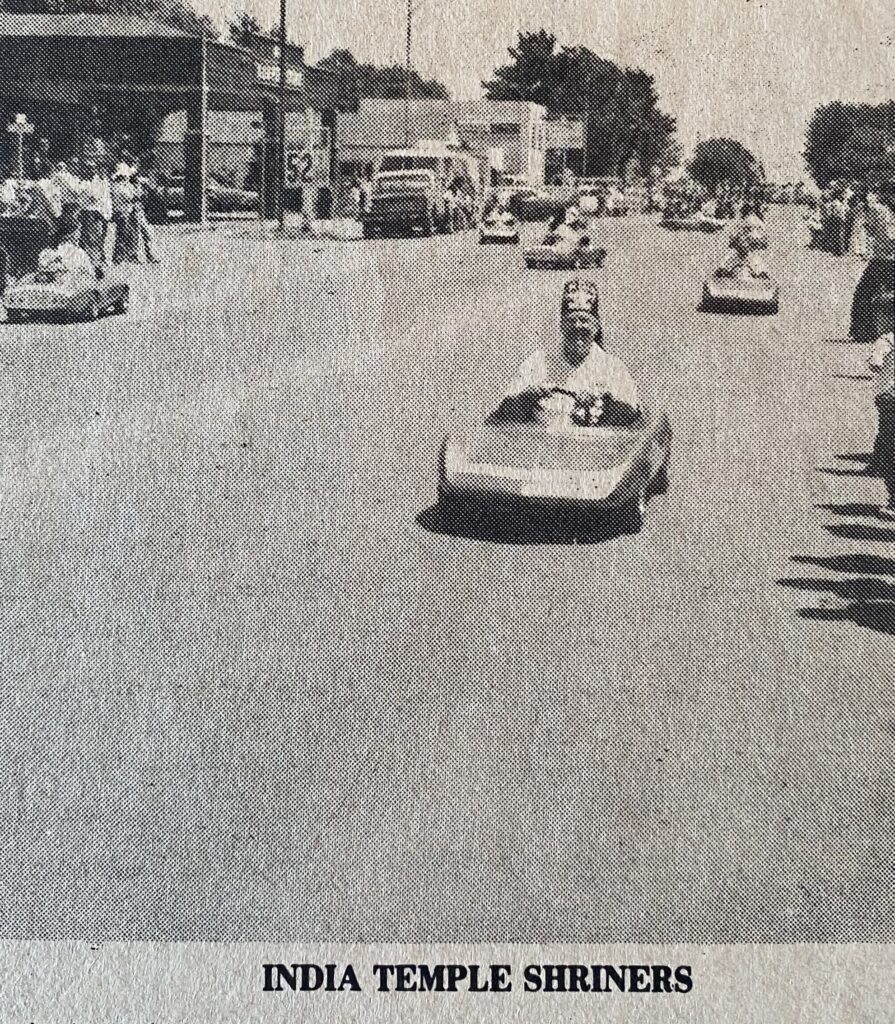
In May 1976, the community gathered to celebrate the dedication of Schrock Park. The festivities included a community parade featuring the Shriners, the Tuttle Round-Up Club, clowns, the Fort Sill Army Band, Bluegrass musicians, the Adelines Barbershop Quartet, the Modern Farmers, the Tuttle High School Band, and an Antique Car Club. Since that day, Schrock Park has become the heart of countless community traditions—from youth baseball, rodeos, Easter egg hunts, and Fourth of July fireworks to family reunions, festivals, and generations of childhood memories.⁴.
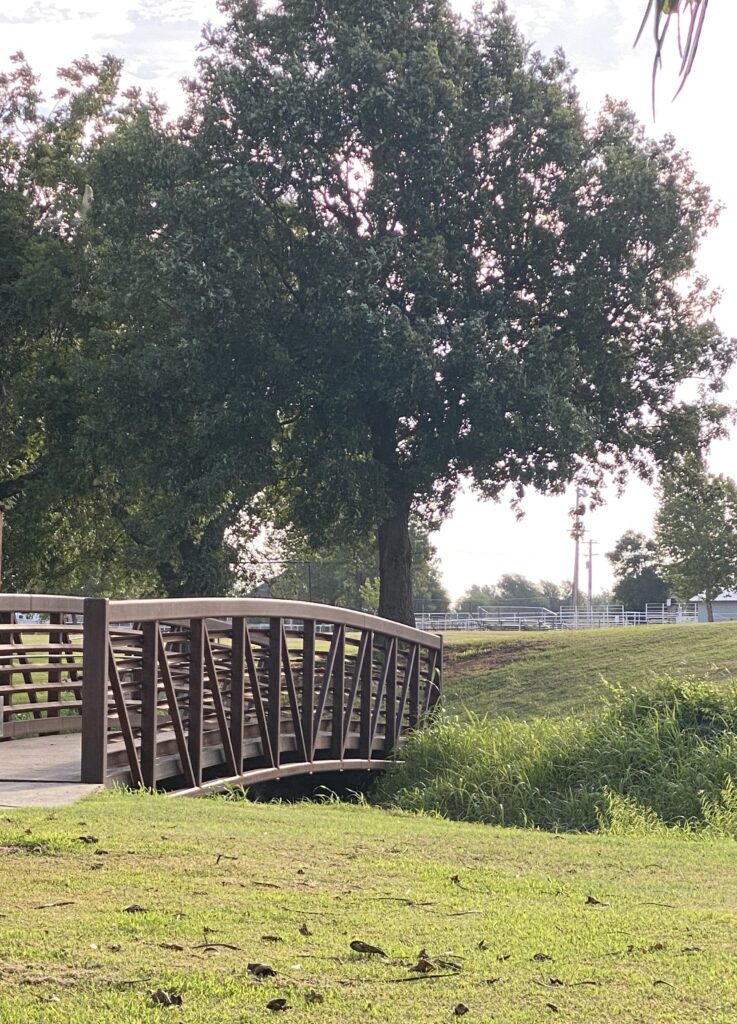
Today, every walk across the pedestrian bridge, every baseball game, every rodeo, and every child laughing on the playground reflects the vision of one pioneering family. The Schrocks did more than help build a town—they left a legacy of generosity, perseverance, and community that continues to enrich Tuttle more than a century after Harry and Frances first made their home here.
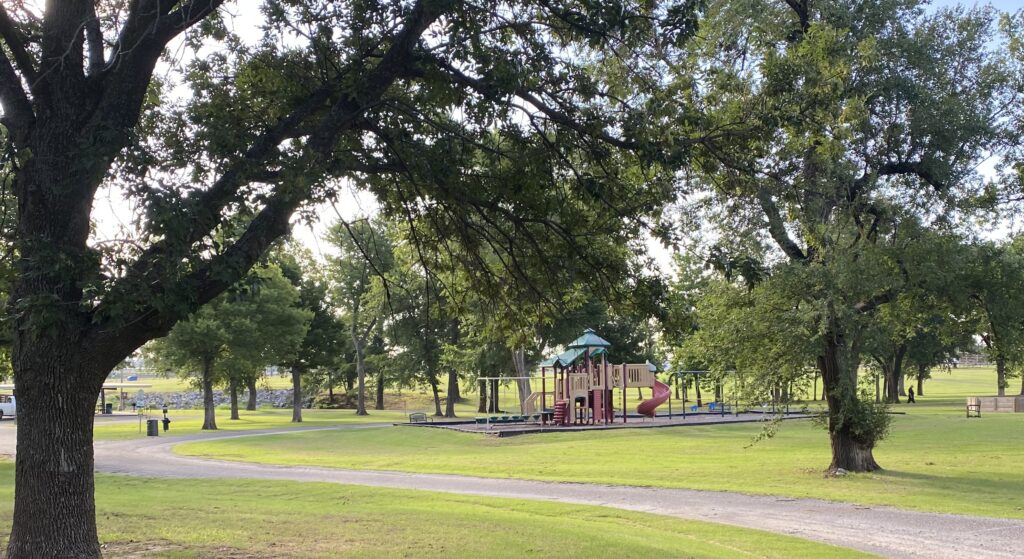

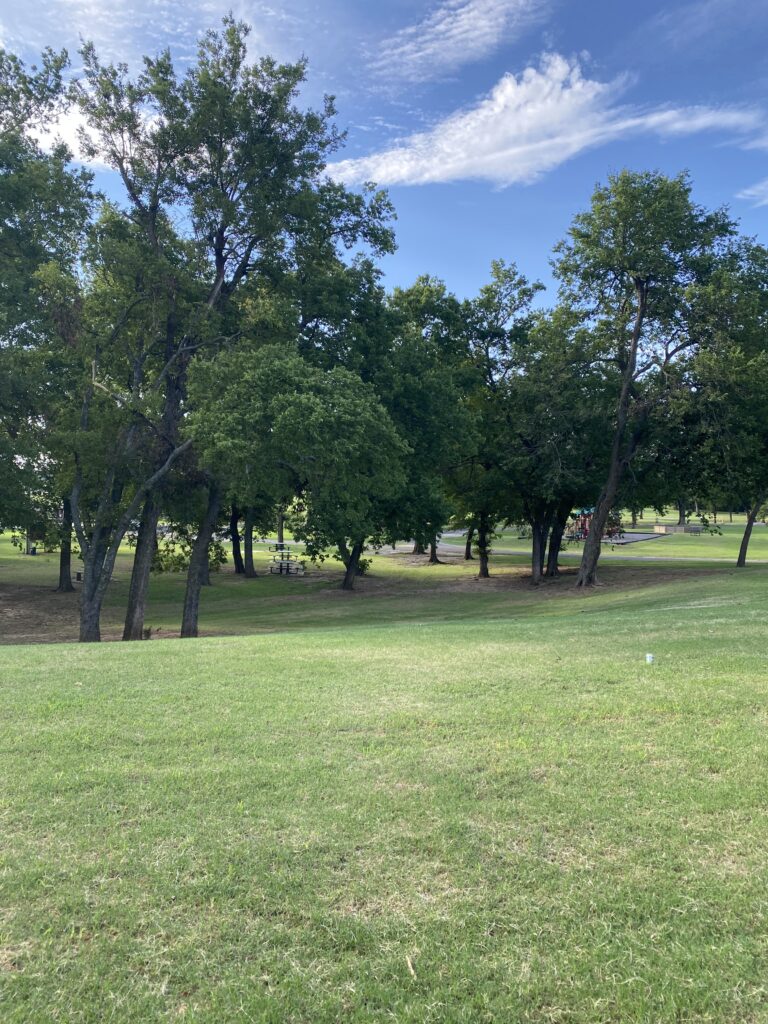
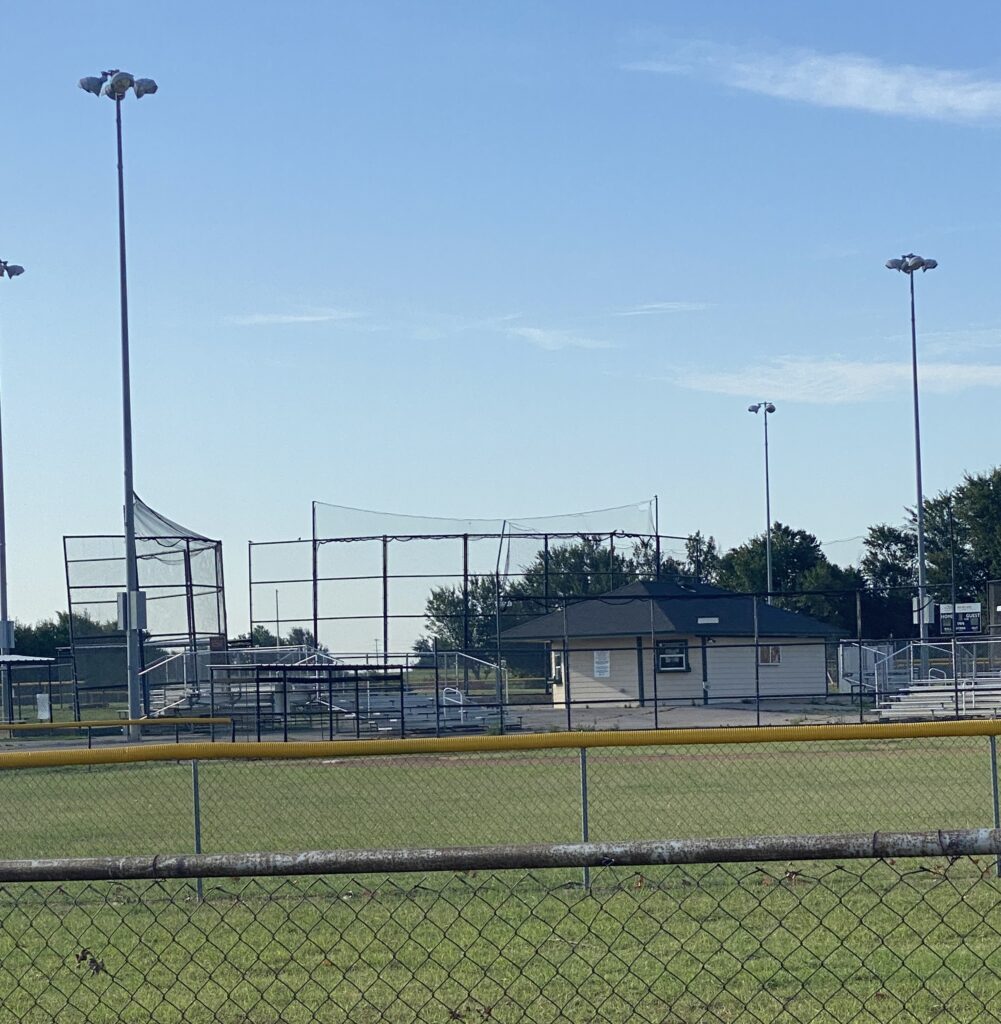
Together, across multiple generations, the Schrocks contributed transportation, land, leadership, and public spirit to a growing Oklahoma town.
Today, when families gather in Schrock Park, they are enjoying more than a public space. They are participating in a legacy that began more than a century ago, when a pioneer woman named Frances Schrock allowed a railroad to cross her allotment and helped set the future town of Tuttle on its path toward becoming a community. [findagrave.com], [okhistory.org], [chickasawcountry.com]
References
1. National Archives and Records Administration. National Archives – Dawes Records of the Five Civilized Tribes
2. Arthur Lee Schrock allotment records and legal description provided by the Tuttle Historical Society Museum:
3. Oklahoma Historical Society. Encyclopedia of Oklahoma History and Culture – Tuttle. Encyclopedia of Oklahoma History and Culture – Tuttle.
4. Tuttle Newspapers The past: read all about it., Find a grave Find a Grave – Millions of Cemetery Records , Tuttle Historical Society records of the Schrock’s.
5. Tuttle Historical Society records of the Schrock’s and Oklahoma Historical Society – The Dawes Commission
6. National Park Service – Land and Water Conservation Fund City of Tuttle historical newsletter (2015) documenting that Schrock Park was acquired in the 1970s with assistance from the federal Land and Water Conservation Fund, together with local records describing Arthur Lee Schrock’s sale of approximately 40 acres to the Town of Tuttle in 1976.